
A car accident changes everything in seconds, and the pain that follows can linger in places you never expected. While whiplash gets most of the attention after a collision, the jaw joint is one of the most commonly injured and most frequently overlooked areas in the aftermath. The rapid, forceful forward and backward movement of the head during impact can damage the temporomandibular joint without your face ever making contact with anything at all, and the symptoms may not appear for days or even weeks.
At Drs. Chin & Pharar Dentistry in Las Vegas, we understand how disorienting it can be to develop jaw pain or clicking long after an accident when your focus has been on other injuries. Drs. Chin and Pharar take the time to thoroughly evaluate patients, listen to their full history, and make sure post-accident TMJ issues are identified and addressed before they compound into something more serious.
Why Car Accidents Cause TMJ Injuries
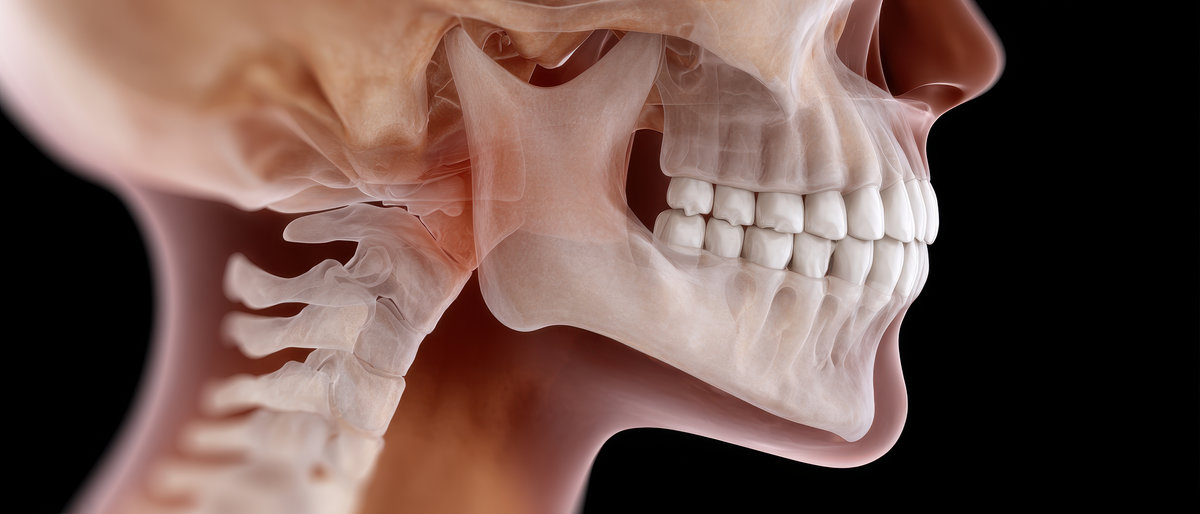
The temporomandibular joint connects your lower jaw to your skull and is responsible for the movement involved in chewing, speaking, and yawning. It is a delicate structure, and the forces involved in even a moderate collision can displace the joint disc, strain surrounding muscles, or create inflammation that affects how the joint functions for months or years.
According to The TMJ Association, whiplash injuries from car accidents can damage the TMJ even when no direct facial contact occurs, and these injuries often go undetected during emergency room visits because other concerns take priority in the immediate aftermath. That gap between the accident and a proper diagnosis is where many patients lose critical time, allowing early, manageable symptoms to worsen.
The Role of Whiplash in TMJ Damage
Whiplash forces the head backward and then forward at a speed the neck and jaw structures are not designed to absorb safely. During that motion, the muscles and ligaments anchoring the jaw joint can be strained, the joint disc can shift out of position, and bite alignment can be subtly altered. Patients often describe the resulting discomfort as a dull ache near the ear, tension in the jaw, or difficulty opening the mouth fully, all of which are easy to attribute to general soreness rather than a specific joint injury.
Because the emergency room and initial follow-up appointments after an accident are focused on fractures, concussions, and soft tissue injuries, TMJ damage frequently slips through without a formal evaluation. By the time a patient connects the jaw pain to the accident, they may be months into a worsening condition.
Warning Signs You Should Not Dismiss
If you have been in a car accident recently and are experiencing any of the following symptoms, a dental evaluation for TMJ injury is worth scheduling as soon as possible. Jaw pain and dysfunction that begins or worsens after a collision is not a coincidence to wait out.
The warning signs most commonly associated with post-accident TMJ injury include the following:
- Jaw pain or soreness: Persistent discomfort near the joint, in front of the ear, or along the jaw that was not present before the accident
- Clicking or popping sounds: Audible noises when opening or closing the mouth, especially if they are new or worsening
- Limited jaw movement: Difficulty opening the mouth fully, a feeling of stiffness, or the jaw shifting to one side when opening
- Headaches: Frequent headaches connected to jaw tension that do not resolve with typical pain management
- Ear pain or ringing: Discomfort near the ear canal, stuffiness, or tinnitus that started after the accident
- Changes in your bite: A feeling that your teeth no longer meet the way they used to
None of these symptoms should be dismissed as ordinary post-accident soreness. Each one can be a sign of structural changes in the joint that will not correct themselves without care.
What Happens When TMJ Injuries Are Ignored
Delaying evaluation after a post-accident TMJ injury allows the inflammation, disc displacement, or muscle tension to become entrenched. What begins as mild clicking or occasional jaw soreness can progress into chronic pain, degenerative joint changes, or severely restricted movement over time. Patients who also clench or grind their teeth are at even greater risk, as bruxism places constant additional load on a joint already compromised by trauma.
There is also a ripple effect on daily life. Difficulty chewing, disrupted sleep, and relentless jaw tension affect everything from nutrition to concentration to overall wellbeing. A nightguard can help offload pressure on the joint during sleep and is often one of the earliest, most effective conservative interventions for patients presenting with post-accident TMJ symptoms.
Why Early Evaluation Changes Outcomes
Getting evaluated promptly after a car accident significantly improves the range of treatment options available. In the early stages of a TMJ injury, conservative measures like oral appliances, jaw exercises, anti-inflammatory strategies, and behavioral modifications are often highly effective. Once the joint has sustained long-term structural changes from untreated injury, the path to relief becomes more complicated and the timeline longer. For patients who feel anxious about dental visits, our sedation dentistry options ensure the evaluation process is comfortable and stress-free.
Get Evaluated at Drs. Chin & Pharar Dentistry in Las Vegas
Drs. Chin and Pharar are known for the time they invest with each patient, making sure every person who comes through their doors understands their condition and has a voice in their care plan. Patients consistently share that they have never had providers spend as much time with them, and that level of attention is especially meaningful when trying to connect an accident injury to jaw symptoms that appeared weeks later.
If you were in a car accident and are experiencing any of the warning signs above, do not wait for the symptoms to worsen on their own. Schedule an appointment with Drs. Chin & Pharar Dentistry today so we can evaluate your jaw, identify any injury, and put a conservative care plan in place before the damage becomes more difficult to address.
Frequently Asked Questions About Post-Accident TMJ Pain
How soon after a car accident can TMJ symptoms appear?
TMJ symptoms can appear immediately or develop gradually over days or weeks as inflammation and muscle strain progress, which is why jaw pain that surfaces well after an accident should still be evaluated.
Can I have a TMJ injury even if my face wasn’t hit?
Yes. The whiplash motion of a collision alone can strain the jaw joint and surrounding muscles without any direct facial impact, since the joint is affected by the rapid forward-and-backward movement of the head.
Why didn’t the emergency room catch my TMJ injury?
Emergency evaluations after an accident typically focus on fractures, concussions, and other soft tissue injuries first, so TMJ damage often isn’t formally assessed unless a patient specifically raises jaw symptoms.
What treatments are available for post-accident TMJ injuries?
Conservative options like custom nightguards, jaw exercises, anti-inflammatory strategies, and behavioral changes are often effective when started early. More advanced structural changes may require more involved treatment.
Does teeth grinding make a post-accident TMJ injury worse?
Yes. Bruxism places additional constant force on a jaw joint that may already be compromised by trauma, which can accelerate the progression of TMJ symptoms following an accident.