
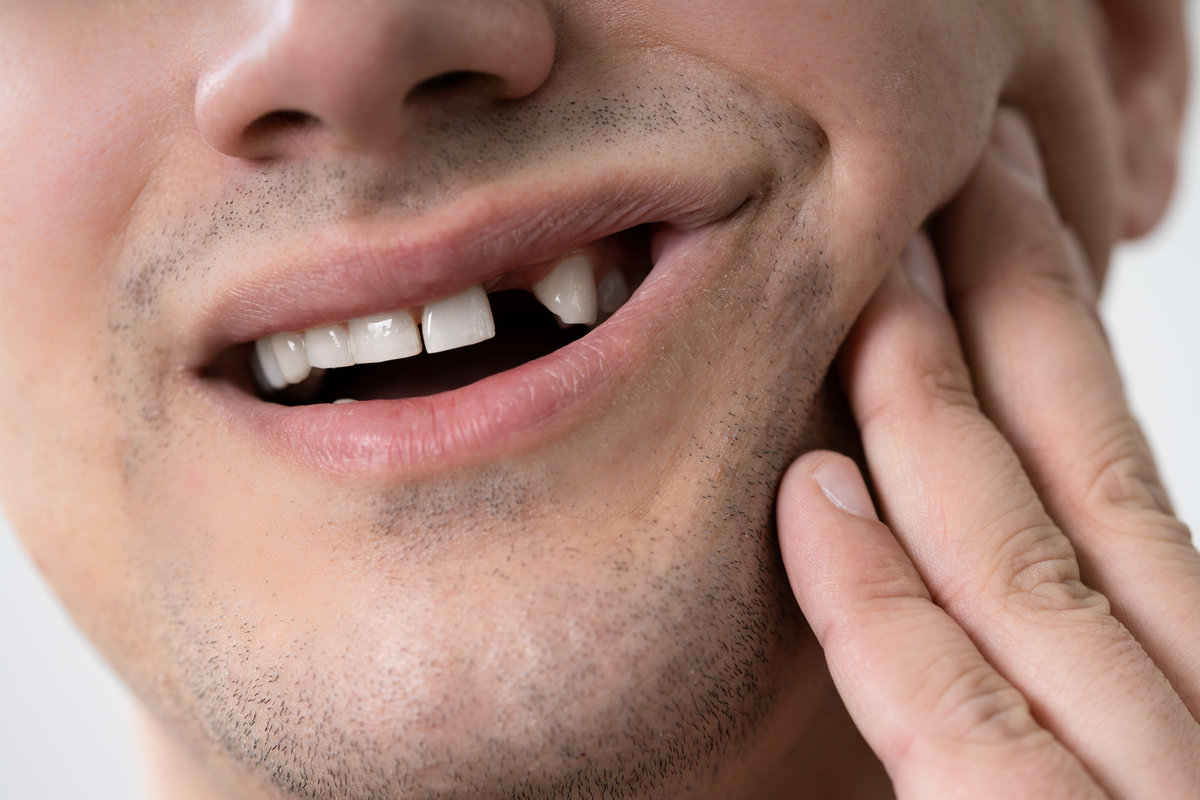
Your jawbone begins deteriorating the moment you lose a tooth. Without the constant stimulation from tooth roots, bone tissue starts to break down at an alarming rate, causing changes that extend far beyond a space in your smile.
At Drs. Chin & Pharar Dentistry, we understand that tooth loss creates challenges that go deeper than appearance. Dr. Robert Chin and Dr. Jessica Pharar help Las Vegas patients address the hidden consequences of missing teeth before serious complications develop. Their approach combines advanced technology with genuine care to protect your oral health and overall well-being.
The Bone Loss Process After Tooth Loss
When a tooth root no longer stimulates the surrounding jawbone, your body responds as if the bone tissue is unnecessary. Research shows you can lose up to 25% of bone width in an area within just three months of tooth extraction. This process, called resorption, occurs because bone tissue requires regular pressure and movement from tooth roots to remain healthy and strong.
The rate of bone loss accelerates in the first year after tooth extraction. Your body reabsorbs the minerals from unused bone tissue and redirects them elsewhere. Without intervention, this deterioration continues indefinitely, creating a domino effect that impacts neighboring teeth and your facial structure.
Physical Changes From Jawbone Deterioration
Bone loss can cause visible changes in facial appearance. As your jawbone shrinks, it no longer provides adequate support for facial muscles and soft tissues. Your cheeks may appear sunken, your chin might protrude more noticeably, and wrinkles often deepen around your mouth. These changes can make you look significantly older than your actual age.
The height and width of your jawbone decrease as resorption continues. This affects how your remaining teeth fit together and can cause your bite to shift. You might notice difficulty chewing certain foods, changes in your speech patterns, or discomfort when eating. Bone loss also weakens the foundation of neighboring teeth, increasing their risk of loosening or extrusion.
Complications Beyond Appearance
Bone deterioration creates problems for future dental work. If you decide later to get dental implants, you may need bone grafting procedures first to build an adequate foundation. These additional procedures extend treatment time and increase costs compared to addressing tooth loss promptly.
The reduced bone structure affects your options for tooth replacement. Dentures become harder to fit properly as bone loss progresses, leading to slipping, clicking, or sore spots. You might need frequent adjustments or replacements as your jawbone continues to change shape. Some patients eventually find that conventional dentures no longer stay in place reliably.
How Dental Implants Prevent Bone Loss
Dental implants function like natural tooth roots, providing the stimulation your jawbone needs to stay healthy. The titanium post integrates with your bone tissue through a process called osseointegration. This fusion creates a stable foundation while signaling your body to maintain bone density in that area.
Unlike bridges or crowns, implants actively preserve your existing bone structure. They restore the complete tooth structure from root to crown, maintaining proper function and preventing the cascade of problems that follow bone loss. Many patients find that implants feel and work just like their natural teeth.
Warning Signs You Should Watch For
Several symptoms indicate that bone loss may be occurring. You might notice your remaining teeth becoming loose or shifting position. Gaps may appear between teeth where none existed before. Changes in how your dentures fit or increased difficulty chewing suggest that bone loss is progressing.
Pay attention to changes in your facial appearance as well. If your lips appear thinner, your face looks more hollow, or you notice increased wrinkles around your mouth, bone deterioration could be the cause. These signs warrant a professional evaluation to assess the extent of bone loss and discuss treatment options.
Taking Action to Protect Your Jawbone
The best time to address tooth loss is immediately after extraction. Early intervention prevents significant bone loss and preserves all replacement options. Your dentist can evaluate your bone density, discuss suitable restorative options, and create a treatment timeline.
Don’t put this off. Even if years have passed since losing a tooth, evaluation remains essential. Advanced techniques such as bone grafting can rebuild lost tissue and provide a stable foundation for restoration. Modern sedation dentistry options make treatment comfortable for patients with dental anxiety or complex medical needs.
Restore Your Smile at Drs. Chin & Pharar Dentistry
Dr. Robert Chin and Dr. Jessica Pharar bring advanced training and genuine compassion to every patient interaction. Dr. Pharar completed her Advanced Education in General Dentistry at Texas A&M’s Baylor College of Dentistry, which provided her with extensive experience in complex dental cases. Together, they’ve helped countless Las Vegas patients rebuild healthy, functional smiles after tooth loss.Our practice combines cutting-edge technology with personalized care plans designed for your unique situation. We accept most major dental insurance plans and offer flexible payment options to make treatment accessible. Don’t wait while bone loss compromises your oral health and quality of life. Contact us today to schedule your consultation and learn how we can help you maintain a strong, healthy smile.