
Medically Reviewed by Dr. Jessica Pharar on August 4, 2026
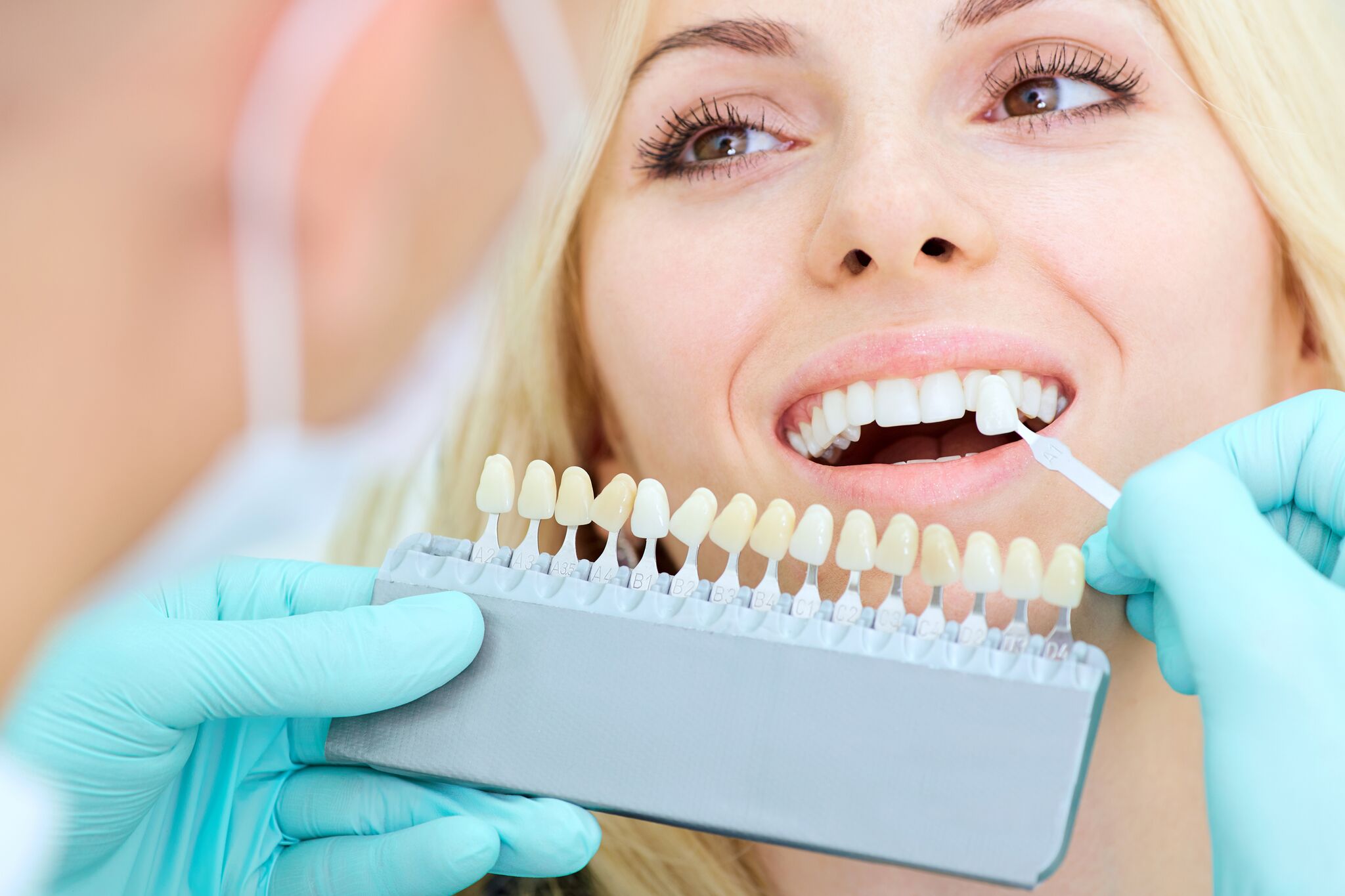
Cosmetic dental work such as veneers, bonding, crowns, and professional whitening is built to last, but it is not maintenance-free. Caring for it properly means brushing and flossing with the right products, limiting foods and drinks that stain or stress the material, wearing a nightguard if you grind your teeth, and keeping up with regular dental visits so your dentist can catch small issues before they become bigger ones.
At Drs. Chin and Pharar Dentistry, we see firsthand how the right aftercare routine extends the life of a smile makeover, whether that means porcelain veneers, dental bonding, a same-day crown, or an in-office whitening treatment. Once you have invested in cosmetic dentistry, a few consistent habits at home go a long way toward protecting that investment for years to come.
Why Cosmetic Dental Work Needs Ongoing Care
Porcelain veneers, composite bonding, ceramic crowns, and whitened enamel are all designed to hold up well under normal use, but none of them are indestructible. Veneers and bonding sit directly on the surface of your natural teeth, so anything that affects your gums, your bite, or the surrounding enamel can eventually affect how your cosmetic work looks and functions.
Skipping aftercare does not usually cause a problem overnight. Instead, small habits, such as biting down on ice, skipping a nightguard, or letting plaque build up around a crown’s margin, tend to add up over months and years. The same habits that protect your natural teeth, including consistent brushing, flossing, and professional cleanings, also protect the cosmetic work layered on top of them.
Daily Habits That Protect Your Smile
A simple daily routine does most of the work when it comes to protecting cosmetic dental work, and it overlaps closely with the preventative dental care your dentist already recommends. The following habits apply whether you have veneers, bonding, crowns, or a recent whitening treatment:
- Brush gently, twice a day: Use a soft-bristled or electric toothbrush with a non-abrasive, fluoride toothpaste to avoid scratching polished surfaces.
- Floss every day: Clean between your teeth and around the margins of crowns, bridges, and veneers, where plaque tends to collect.
- Rinse after staining foods or drinks: A quick rinse with water after coffee, tea, or red wine helps limit surface staining.
- Keep up with dental visits: Routine checkups and cleanings let your dentist spot a chip or a loosening margin before it turns into a bigger repair.
Sticking with this routine consistently matters more than any single product you choose, though your dentist can recommend specific toothpaste or rinse options suited to your particular restorations.
Aftercare Tips by Type of Cosmetic Treatment
Different types of cosmetic dental work call for slightly different care. Here is what to keep in mind for some of the most common treatments.
Caring for Porcelain Veneers and Dental Bonding
Porcelain veneers and composite bonding both attach directly to the front of your teeth, so the seam where the material meets your natural enamel needs extra attention when you brush and floss. Avoid using veneered or bonded teeth to open packages, bite your nails, or chew on pens, since these habits can chip the edge of the restoration. Because bonding is more porous than porcelain, it is especially prone to staining over time, so limiting coffee, tea, red wine, and tomato-based sauces will help it stay closer to its original shade. If you are considering porcelain veneers or want to know more about dental bonding, our team can walk you through what maintenance looks like for your specific case.
Maintaining Crowns and Same-Day Restorations
Crowns and bridges restore both function and appearance, and the area where a crown meets the gumline is the part that needs the most consistent cleaning. Plaque that collects at this margin can lead to decay in the tooth underneath the crown, even though the crown itself cannot decay. Many patients receive same-day restorations made chairside with digital scanning technology, and these are cared for the same way as traditional crowns: gentle brushing, daily flossing, and avoiding hard or sticky foods that could dislodge them. Ask your dentist about same-day CEREC crowns if you are curious how this technology fits into a cosmetic treatment plan.
Extending Your Teeth Whitening Results
Whitening results fade gradually as you eat, drink, and simply use your teeth over time, so a touch-up is a normal part of maintaining a bright smile rather than a sign that something went wrong. Sticking to your regular oral hygiene routine, limiting dark-colored foods and drinks, and avoiding tobacco products all help whitening last longer between touch-ups. Many patients pair an initial teeth whitening treatment with periodic maintenance visits to keep their smile at the shade they like best.
Habits and Foods to Avoid After Cosmetic Dentistry
Beyond your daily routine, a few habits are worth avoiding altogether if you want your cosmetic dental work to last as long as possible. Grinding or clenching your teeth at night, sometimes without realizing it, puts a surprising amount of force on veneers, bonding, and crowns, so a custom nightguard is one of the most effective ways to protect them. Chewing ice, biting fingernails, and using your teeth to open packaging all create the kind of sudden pressure that can chip or crack a restoration that would otherwise hold up for years.
Diet plays a role too. Foods and drinks that stain natural teeth, such as coffee, red wine, and tomato-based sauces, can also dull the finish of bonding and, to a lesser extent, veneers. Rinsing with water after eating or drinking these items, and scheduling occasional professional cleanings, helps keep everything looking consistent.
How Long Your Cosmetic Dental Work Can Last
How long cosmetic dental work lasts depends on the type of treatment and how well it is cared for. According to the American Dental Association’s patient education resource on veneers, porcelain veneers are stain-resistant but can still discolor at the margins, and brushing with fluoride toothpaste, daily flossing, and avoiding hard objects like fingernails are all part of keeping them intact. The ADA also notes that you can still develop a cavity under or around a veneer, which is why routine checkups remain important even after cosmetic work is complete.
More generally, cosmetic dentistry results vary in how long they last. Whitening touch-ups are often needed within a couple of years, while bonding and porcelain veneers can hold up for considerably longer with consistent care. Your dentist can give you a more specific estimate based on the materials used and your particular oral habits.
When to Contact Your Dentist
Even with great home care, cosmetic dental work occasionally needs professional attention. Contact your dental team if a crown, bridge, or veneer feels loose, if you notice a chip or crack, or if a tooth becomes sensitive to hot or cold after previously feeling fine. Persistent gum redness, swelling, or bleeding around a restoration can also signal an issue that is worth having checked, since it may affect how well the restoration fits over time.
Catching these signs early usually means a simpler fix. Waiting until discomfort becomes constant, or until a restoration falls out entirely, can turn a minor adjustment into a more involved repair.
Choose Drs. Chin and Pharar Dentistry for Lasting Cosmetic Results
Dr. Robert Chin and Dr. Jessica Pharar bring hospital-level training and a collaborative, patient-first approach to every cosmetic case at our Las Vegas practice. Whichever doctor you see, the other stays informed about your treatment plan, so your care stays consistent from your initial consultation through every follow-up visit.
If you have questions about caring for veneers, bonding, crowns, or a recent whitening treatment, or if something about your cosmetic dental work feels off, reaching out early can help protect the results you already have. Contact our team to schedule a checkup or ask about your specific aftercare plan.
Frequently Asked Questions About Caring for Cosmetic Dental Work
What kind of toothpaste is safe to use on veneers or crowns?
Look for a toothpaste labeled non-abrasive or made for sensitive teeth, and pair it with a soft-bristled or electric toothbrush. Whitening toothpaste that contains baking soda or other gritty polishing agents can gradually wear down the smooth surface of veneers, bonding, and crowns. If you are not sure which product is right for your specific restorations, ask your dentist for a recommendation at your next visit.
How often should I see my dentist after getting cosmetic dental work?
Most patients continue with routine checkups and cleanings every six months, the same schedule recommended for general dental health. Your dentist may suggest more frequent visits during the first year after a major cosmetic procedure so they can monitor how the restoration is settling in and address any small adjustments early.
What should I do if a veneer or crown feels loose or falls off?
Contact your dental team as soon as you notice the problem, since a loose restoration can allow bacteria to reach the tooth underneath. Keep the restoration if it comes off completely and bring it with you to your appointment. Avoid chewing on that side of your mouth until your dentist has had a chance to evaluate and reattach or replace it.
Can I still get a cavity under a veneer or crown?
Yes. A veneer or crown covers and protects the front or top of a tooth, but the natural tooth structure underneath and around the margins can still develop decay if plaque is allowed to build up. Consistent brushing, daily flossing, and regular dental visits remain important for the life of the restoration, not just in the months right after it is placed.
How long does teeth whitening or bonding typically last before it needs a touch-up?
It varies by patient and by habits like diet and tobacco use, but whitening results often start to fade within a couple of years, while bonding tends to hold its color and shape longer with consistent care. Scheduling periodic touch-ups and sticking with your daily oral hygiene routine are the most reliable ways to keep either treatment looking its best.
About the Author
Drs. Chin and Pharar Dentistry
Dr. Jessica Pharar is a graduate of the UNLV School of Dental Medicine who completed advanced training at Texas A&M Baylor College of Dentistry. At Drs. Chin and Pharar Dentistry, she focuses on restorative and cosmetic dentistry, including crown, bridge, and veneer work, for patients throughout the Las Vegas area.