
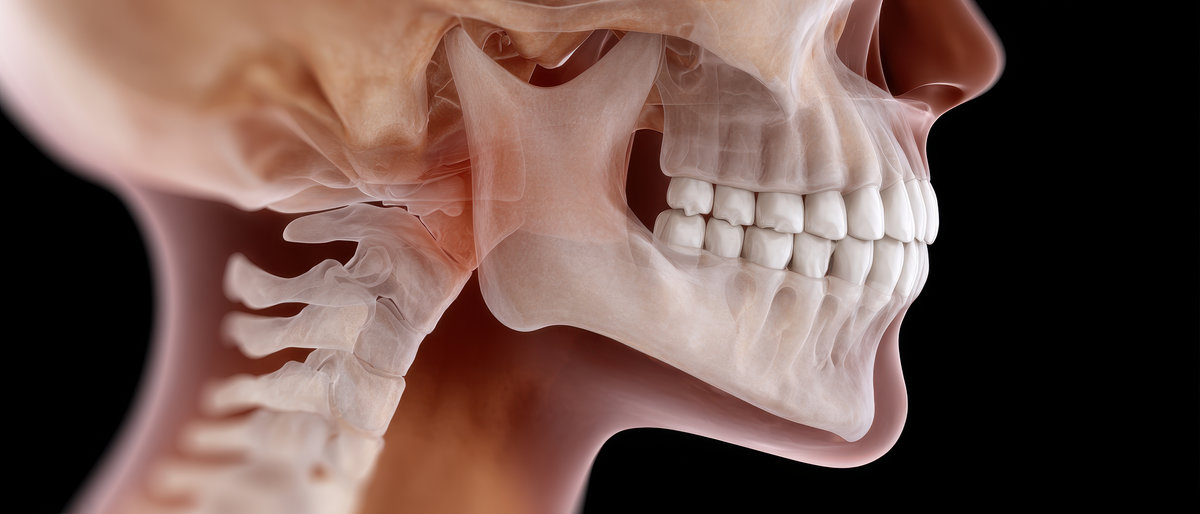
You’ve been living with jaw pain, clicking joints, and chronic headaches long enough that someone finally said the word “surgery.” It sounds like a solution, but before you agree to any procedure involving your temporomandibular joint, there’s a critical question worth asking: is the provider recommending it actually trained to perform it? TMJ surgery is complex, carries real risks, and is often presented as necessary when, in many cases, it is not.
At Drs. Chin & Pharar Dentistry in Las Vegas, the approach to TMJ disorders starts with education and conservative care, not rushing patients toward irreversible procedures. Drs. Chin and Pharar believe deeply that their role is to help you get where you want to go, not simply where a treatment plan takes you. That philosophy matters enormously when the stakes involve permanent changes to your jaw joint.
Who Is Actually Qualified to Treat TMJ?
This is where the picture gets complicated for many patients. According to The TMJ Association, there is no formally recognized dental or medical specialty dedicated to TMD treatment, which means a wide range of providers, from general dentists to oral surgeons to orofacial pain specialists, may all present themselves as qualified TMJ practitioners. Without a standardized credential, it can be genuinely difficult to know who has the training to recommend surgery versus who is applying a one-size-fits-all approach based on limited experience.
Oral and maxillofacial surgeons are the providers most formally trained in surgical management of the TMJ. Their residency programs, which extend four to six years beyond dental school, include coursework in TMJ disorders, head and neck pain diagnosis, and reconstructive jaw procedures. General dentists, even highly skilled ones, do not complete that same surgical training. This doesn’t mean your general dentist can’t play a valuable role in managing TMJ, but it does mean a surgery recommendation from a provider without surgical training warrants serious scrutiny.
What Happens When Patients Don’t Ask Questions
The consequences of accepting an uninformed TMJ surgery recommendation can be severe. The TMJ Association notes that many artificial implants used in TMJ replacement have never been tested for long-term safety and, in some cases, have been pulled from the market after causing lasting joint damage. Once a surgical procedure is performed, the changes to your jaw joint are permanent. Any complication you experience after that point cannot simply be undone.
Beyond implants, other surgical interventions carry risks including nerve damage, limited jaw mobility, and worsening pain. Patients are also sometimes steered toward aggressive procedures like occlusal adjustments or orthognathic surgery based on outdated theories linking bite alignment to TMJ disorders, theories the research community has since walked back. If you have been told your bite is causing your TMJ pain, a second opinion is especially warranted.
Why a Second Opinion Protects You
Getting a second opinion before any TMJ surgery is not just reasonable, it is widely recommended by leading health organizations. It gives you access to a different clinical perspective, allows you to ask more questions without pressure, and helps you understand whether conservative options have truly been exhausted. Symptoms like migraines connected to jaw dysfunction or nighttime clenching tied to bruxism and TMJ often respond well to non-surgical management when properly evaluated.
A thorough second opinion should include a review of your imaging, a detailed discussion of your symptoms and history, and a clear explanation of all non-surgical options still available to you. Providers who pressure you to move quickly or who dismiss your questions are a warning sign. You deserve time to make a fully informed decision.
What Conservative TMJ Care Can Look Like
Not every TMJ case requires surgery, and many patients find meaningful relief through non-invasive approaches. A qualified provider will typically start with the least disruptive interventions and move toward more involved treatments only if earlier steps fail. For patients who feel anxious about dental appointments or who have experienced trauma around dental care, sedation dentistry can also make the evaluation process more comfortable and accessible.
Conservative options commonly include oral appliances like nightguards, physical therapy, anti-inflammatory medications, and behavioral strategies for managing jaw habits. Many patients improve substantially without ever needing a surgical consultation.
Schedule a Second Opinion at Drs. Chin & Pharar Dentistry
Drs. Chin and Pharar have built their practice on the principle that patients deserve to understand their options and feel confident in the care they receive. Patients frequently share that they have never had a provider invest as much time in their care, and that commitment to thorough communication is especially meaningful when a surgical recommendation is on the table.
If you have been told you need TMJ surgery and want an honest, thorough evaluation before moving forward, we are here to help. Schedule a consultation with Drs. Chin & Pharar Dentistry in Las Vegas to review your current diagnosis, walk through all conservative options available to you, and make sure any path forward is one you fully understand and support.