
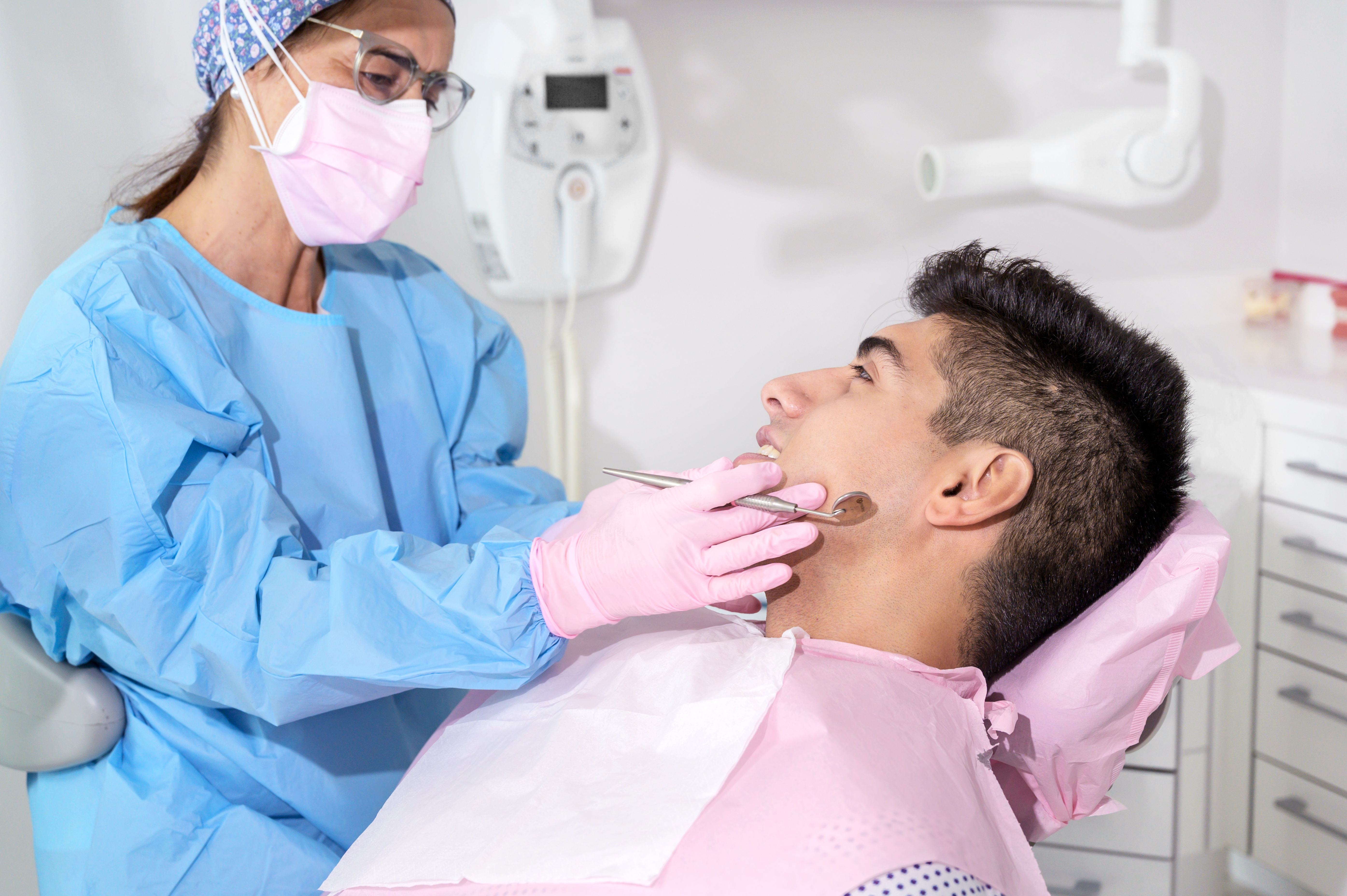
Dental health connects to speech therapy outcomes because every spoken sound depends on your teeth, tongue, lips, and jaw working as a team. When a tooth is missing, a denture shifts, or your jaw hurts, that team loses its rhythm, and exercises that look simple on paper can feel frustrating in practice. A speech pathologist can guide your practice, but your mouth has to be ready to do the work.
At Drs. Chin & Pharar Dentistry cares for patients preparing for or recovering from treatment, including those who need dental care for cancer patients in Las Vegas. We have also started working with a local speech pathologist who sees many head and neck patients, so we see how closely our fields overlap. If speech therapy is on your calendar, a dental checkup may help you get more from every session.
How Teeth, Tongue, and Jaw Shape Every Sound
Sounds like s, z, th, and f need a tight space between the tongue and the teeth. Your front teeth give the tongue a firm place to touch, while your lips and jaw guide how air leaves your mouth. When any of those parts change, a sound can come out lisped, whistled, or muffled.
Speech therapy trains your muscles to make clear sounds, but it can’t replace a missing tooth or heal an infected gum. Treating the dental cause first gives your therapist a steadier base to build on, and it may shorten the time you spend working around a physical barrier.
When Missing Teeth and Dentures Change Your Speech
Gaps from lost teeth let air escape in the wrong places, and a loose denture can slip while you talk. Dentures often change sounds like s, z, and sh at first, but many people adjust over time with practice. A poor fit can slow that adjustment, which is why a comfortable, stable denture matters.
Well-fitting dentures and partials can restore a firm surface for your tongue, and dental implants offer another way to replace missing teeth when you are a candidate. Tell your speech pathologist about any new appliance, because a small change in tooth position can change how a sound feels.
Head and Neck Cancer, Dry Mouth, and Tight Jaw Muscles
Radiation to the head and neck can leave the jaw stiff, a problem called trismus that limits how wide you can open your mouth. A 2024 ASHA scoping review of head and neck cancer rehabilitation found that jaw exercises alone had mixed results, while swallowing and jaw therapy delivered together showed greater short-term gains for trismus. That finding is one reason coordinated care matters.
Dry mouth adds another hurdle because saliva helps you talk, chew, and swallow comfortably. Sipping water often and using a saliva substitute may help, and a plan for managing dry mouth during cancer treatment can protect your teeth from decay while your therapist works on your speech.
Jaw Pain Can Interrupt Speech Practice
Jaw pain, clicking, or locking can make long practice sessions uncomfortable. If talking for a few minutes tires your face or triggers a headache, a jaw problem may be involved. TMJ treatment may ease that pain so your exercises feel less like a chore.
Do not put this off if the pain keeps returning. Ignored jaw problems tend to get more complicated over time and may limit how far your therapy can take you.
Preparing Your Mouth Before Therapy Starts
A short dental visit before therapy begins can clear away problems that would otherwise interrupt your progress. For adults with medical complexity or special needs, we can take extra time so the visit feels calm. A visit may include the following steps:
- Checking for cavities, gum infection, and loose teeth
- Reviewing dentures, partials, or other appliances for fit
- Looking at your jaw for pain, clicking, or limited opening
- Hearing your therapy goals so we know which sounds you are working on
Bring a list of your medicines and your treatment schedule because both help us plan safe care around your therapy.
Schedule Your Visit With Drs. Chin & Pharar Dentistry Before Therapy Begins
Clear speech takes teamwork between you, your therapist, and your dentist. Dr. Jessica Pharar completed an Advanced Education in General Dentistry program at Texas A&M, Baylor College of Dentistry, and her time with the Sammons Cancer Center shaped how our team approaches patients facing cancer.
Dr. Robert Chin completed a General Practice Residency at the Eastman Institute for Oral Health at the University of Rochester Medical Center, and together our doctors are dedicated to your comfort without sacrificing results. We accept plans such as Humana, Anthem Blue Cross/Blue Shield, and United Concordia, and we ask for a co-pay at the time of service. Reach out to us to book a visit before your next therapy session.