
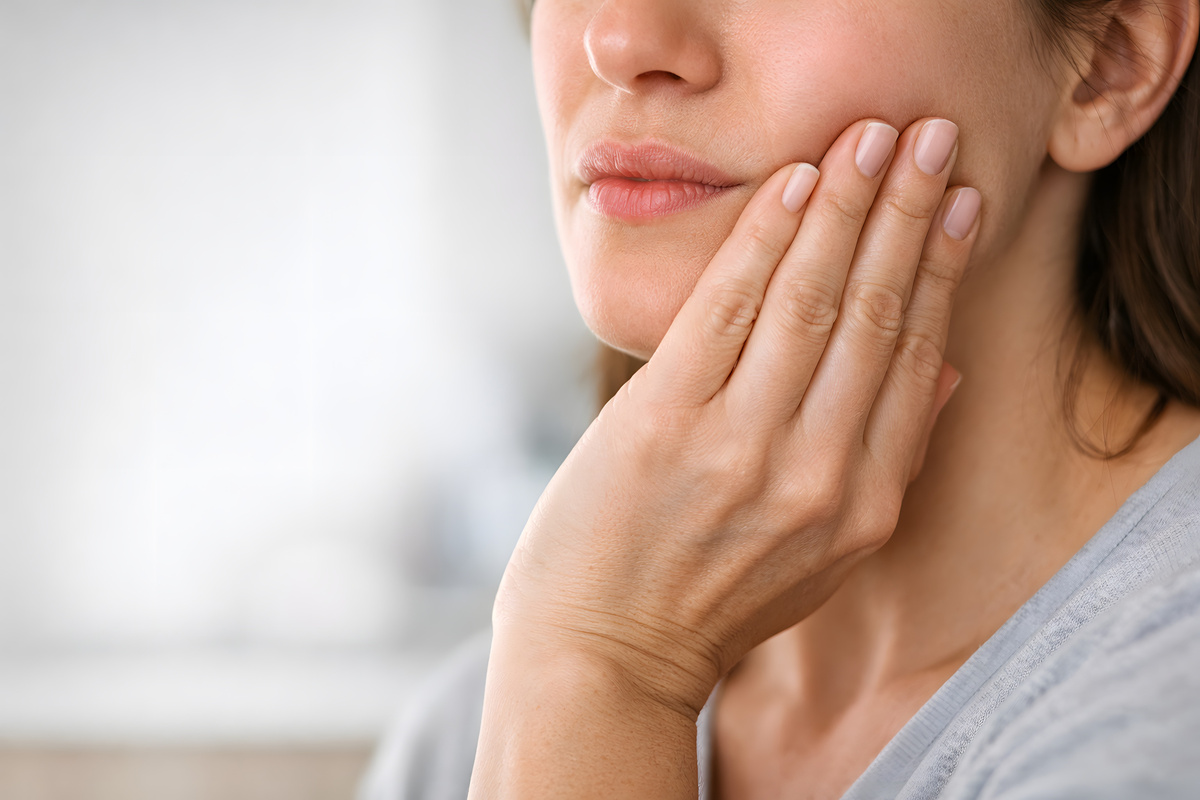
A jaw that clicks when you chew, talk, or yawn might seem like a minor annoyance, but this symptom could signal a serious underlying condition requiring immediate attention. Many people dismiss jaw clicking as harmless or assume it will resolve on its own, yet this progressive condition can escalate to painful lockjaw episodes, making eating, speaking, and even breathing difficult.
At Drs. Chin & Pharar Dentistry in Las Vegas, Dr. Robert Chin and Dr. Jessica Pharar have extensive experience diagnosing and treating temporomandibular joint disorders, beginning with seemingly mild symptoms. Their advanced training in complex dental cases, including Dr. Pharar’s education at Texas A&M, Baylor College of Dentistry, and Dr. Chin’s residency at the University of Rochester Medical Center, equips them to address jaw problems before they progress to debilitating lockjaw situations. Don’t put this off—early intervention can prevent serious complications, possibly requiring hospitalization or surgical intervention. If you’ve been experiencing TMJ symptoms and pain, understanding the progression from clicking to locked jaw is essential for protecting your oral health.
Understanding the Connection Between Jaw Clicking and TMJ Disorders
Jaw clicking typically originates from problems with the temporomandibular joint, which connects your jawbone to your skull. This complex joint includes a small disc cushioning the bones and allowing smooth movement. When this disc slips out of position or becomes damaged, it creates a clicking or popping sound with jaw movement. The clicking sound you hear represents the disc moving abnormally within the joint, often sliding forward when you open your mouth and snapping back when you close it. This repetitive abnormal movement gradually damages the joint structures and surrounding tissues.
Many patients mistakenly believe clicking without pain means there’s no problem. However, the absence of pain doesn’t indicate the absence of damage. The clicking represents mechanical dysfunction, likely worsening without proper treatment.
How Jaw Clicking Progresses to Locked Jaw
The progression from clicking to locked jaw typically follows a predictable pattern. Initially, you may notice occasional clicking not interfere with daily activities. As the disc displacement worsens, the clicking may become more frequent and potentially accompanied by mild discomfort or stiffness. The joint undergoes continuous stress during this phase, with the disc moving further out of alignment with each click. Scar tissue may begin forming, and the muscles controlling jaw movement start compensating for the mechanical problem by working harder, leading to muscle fatigue and tension.
As TMJ disorder advances, patients often experience intermittent catching or limited jaw opening. You might find your jaw momentarily stuck before it pops back into place. These episodes represent the disc becoming increasingly displaced and the joint space narrowing. The window for conservative treatment narrows during this phase, making prompt evaluation crucial. Without intervention, the displaced disc can eventually block normal jaw movement entirely. The joint may lock in either an open or closed position, a condition known as acute TMJ dislocation or closed lock. Emergency dental situations like severe TMJ disorders require immediate professional attention to prevent permanent joint damage.
Risk Factors Accelerating TMJ Deterioration
Several factors can speed up the progression from clicking to locked jaw. Teeth grinding or clenching, particularly during sleep, places enormous pressure on the temporomandibular joint and accelerates disc displacement. Stress contributes to muscle tension affecting jaw mechanics, while poor workplace ergonomics can strain jaw muscles and joints throughout the day.
Previous jaw injuries, arthritis, and connective tissue disorders also increase your risk of TMJ progression. Even habits like chewing gum excessively, biting your nails, or holding your phone between your shoulder and ear can contribute to joint deterioration. Missing teeth or misaligned bite patterns force your jaw to work harder, accelerating wear on the joint structures and increasing the likelihood of disc displacement.
Treatment Options Before Lockjaw Develops
Early intervention offers the best outcomes for TMJ disorders. Conservative treatments include custom nightguards to prevent grinding, physical therapy to strengthen supporting muscles, and lifestyle modifications to reduce joint stress. Anti-inflammatory medications can help manage swelling, while trigger point injections may relieve muscle tension contributing to joint problems. For more advanced cases, specialized TMD treatment approaches may include orthodontic adjustments to correct bite alignment, occlusal splints to reposition the jaw, or minimally invasive procedures to address disc displacement.
The key is addressing the problem before permanent joint damage occurs or before the jaw locks completely. In difficult situations where conservative measures fail, surgical options may become necessary. Arthroscopy allows surgeons to visualize and repair damaged joint structures, while open joint surgery can reposition or replace the disc. However, these invasive procedures carry risks and require significant recovery time, making early treatment far preferable.
Don’t Wait Until Your Jaw Locks: Seek Treatment at Drs. Chin & Pharar Dentistry
Your jaw clicking deserves immediate professional evaluation, not a wait-and-see approach. What begins as an occasional pop can rapidly progress to debilitating lockjaw affecting your ability to eat, speak, and maintain your quality of life. The costs of delaying treatment extend beyond discomfort—you risk permanent joint damage, chronic pain conditions, and the need for invasive surgical procedures.
Dr. Robert Chin and Dr. Jessica Pharar provide comprehensive TMJ evaluations using advanced diagnostic technology at their Las Vegas practice. Their commitment to patient education and individualized treatment plans ensures you understand your condition and options. Don’t put this off any longer. Contact Drs. Chin & Pharar Dentistry today to schedule your TMJ evaluation and take control of your jaw health before clicking symptoms escalate to a locked jaw crisis.